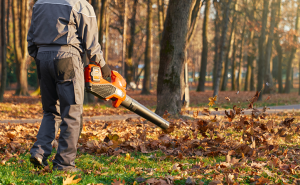

Fallen leaves signal seasonal change and cooler days. However, when leaves stay on a lawn too long, problems begin to form. Many homeowners overlook this issue because the damage develops slowly. Over time, the grass weakens beneath the surface. As a result, recovery becomes harder later.
Moreover, lawns rely on light, airflow, and balance. Leaves interrupt all three. While a thin layer may seem harmless, buildup creates stress. Consequently, the lawn struggles to maintain strength. Even worse, damage often appears months later.
Because prevention matters, understanding the impact helps homeowners act early. This guide explains what happens when leaves remain untouched. Each section highlights clear effects and practical awareness. In the end, informed care protects long-term lawn health and appearance.
Leaves Block Light and Slow Growth
Grass depends on sunlight for steady growth. When leaves cover the surface, light cannot reach the blades. As a result, growth slows quickly. Over time, grass turns weak and thin. Furthermore, shaded grass loses energy. Without energy, roots shrink and struggle. Consequently, bare patches often appear. These spots rarely recover on their own.
Common signs include:
- Pale or yellow grass
- Uneven lawn texture
- Slow spring recovery
Because leaves block daily exposure, grass cannot store nutrients. Eventually, the lawn loses density. Removing leaves early allows light to return and growth to continue.
Moisture Gets Trapped and Creates Decay
Leaves trap moisture against the soil. Rainwater cannot evaporate easily. As a result, damp conditions stay in place. This constant moisture encourages decay. According to turf research, excess moisture weakens root systems. Weak roots fail to support healthy blades. Over time, rot spreads across sections of the lawn.
As one lawn care study states:
“Extended moisture reduces oxygen levels in soil, limiting grass survival.” Therefore, airflow matters. Removing leaves restores balance and reduces prolonged dampness.
Soil Quality Declines Over Time
Healthy soil supports strong grass. Leaves left behind compress soil slowly. As a result, soil hardens and loses structure. Roots then struggle to expand. Moreover, compacted soil limits nutrient flow. Water runs off instead of soaking in. Consequently, grass receives less nourishment.
Effects of poor soil include:
- Weak root spread
- Increased runoff
- Reduced nutrient absorption
When leaves stay too long, soil health declines steadily. Early cleanup protects the foundation beneath the lawn.
Lawn Pests Move In Quickly
Leaf piles attract unwanted visitors. Insects and rodents seek shelter in dense layers. Once settled, they disturb the lawn ecosystem. For example, insects feed on roots and organic matter. Rodents tunnel beneath the surface. Consequently, damage increases fast.
Pests often cause:
- Small holes in turf
- Loose soil areas
- Sudden dead patches
Because pests prefer cover, removing leaves reduces hiding spots. A clear lawn discourages infestation naturally.
Fungal Growth Spreads Without Warning
Moist and dark conditions allow fungi to grow. Leaves create both. Once fungus appears, it spreads quickly. Research shows fungal spores thrive in covered lawns. Symptoms often appear after snow melts.
As noted by turf specialists: “Most lawn fungi develop during fall neglect and surface later.”
Therefore, prevention starts early. Clearing leaves reduces fungal risk before damage shows.
Spring Recovery Takes Longer
Ignoring leaves delays spring growth. When winter passes, trapped debris remains heavy and wet. Cleanup then becomes harder. Grass under matted leaves often dies. As a result, regrowth slows. New seed struggles to establish.
The table below shows common outcomes:
| Issue | Result |
| Thick leaf layers | Delayed green-up |
| Wet debris | Patchy lawn |
| Soil compression | Slow root recovery |
Early removal saves time and effort later.
Lawn Appearance Suffers Gradually
A covered lawn loses appeal over time. The leaves left behind look neglected. Eventually, neighbors notice changes. More importantly, homeowners feel less pride. A clean lawn creates a welcoming feel. Meanwhile, buildup suggests neglect. Simple care maintains a tidy look and prevents long-term decline. Consistent leaf removal supports both function and appearance.
Conclusion
Leaving leaves on a lawn causes hidden damage. Over time, grass weakens, soil suffers, and pests appear. However, simple awareness changes outcomes. Early action protects growth, saves effort, and keeps lawns healthy year-round. Homeowners who stay proactive avoid costly recovery later. For those seeking reliable lawn guidance, Major Jones Lawn Care supports informed outdoor care through practical knowledge and experience.